Effective Play-Based Potty Training Techniques
Potty training can feel like a big mountain to climb, but it doesn’t have to be overwhelming. When you use play-based potty training techniques, the process becomes more natural, fun, and effective. Imagine turning potty time into a game that your toddler actually looks forward to! That’s exactly what play-based potty training is all about. It’s about making learning enjoyable and stress-free, so your little one gains confidence and independence quickly.
Let’s dive into some practical, easy-to-follow strategies that will help you and your toddler succeed together. You’ll find encouragement, clear steps, and a few gentle reminders that you’re doing a great job every step of the way.
What Is Play-Based Potty Training and Why It Works
Play-based potty training is a method that uses games, toys, and playful interactions to teach toddlers how to use the potty. Instead of pressure or strict schedules, it focuses on making potty time a positive experience. This approach taps into your child’s natural curiosity and love for play, which makes learning faster and less stressful.
Why does this work so well? Toddlers learn best when they are engaged and having fun. Play-based potty training helps them:
Understand the potty routine without feeling forced
Build positive associations with the potty chair or toilet
Develop communication skills by talking about their needs in a playful way
Gain confidence through small, achievable steps
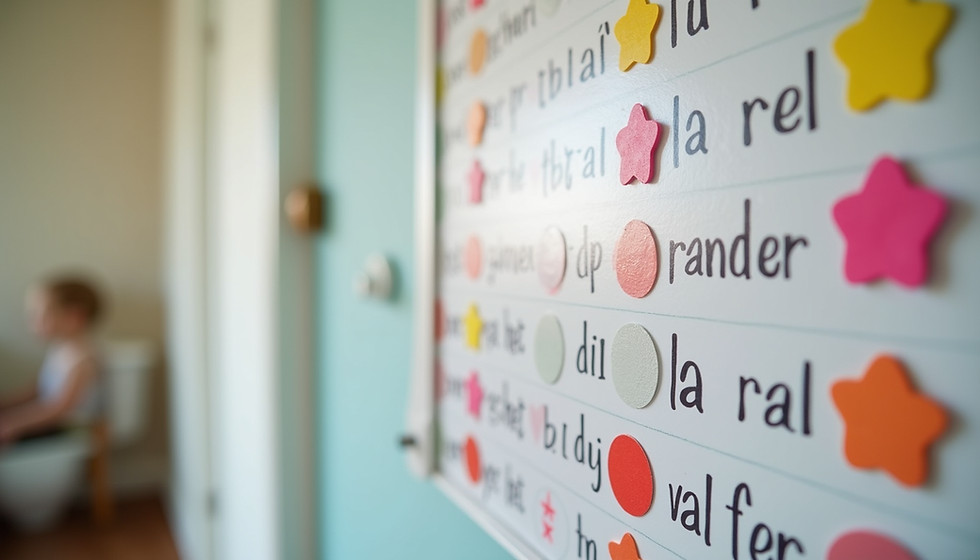
For example, you might use a favorite doll or stuffed animal to “practice” sitting on the potty. Or you could create a sticker chart that rewards every successful potty visit. These playful elements keep your toddler interested and motivated.
If you want to explore more structured support, consider checking out a potty training school - original royal palm beach that specializes in fast, effective potty training techniques.

How to Start Play-Based Potty Training: Step-by-Step
Starting potty training can feel like a big step, but breaking it down into playful, manageable parts makes it easier. Here’s a simple plan to get you going:
1. Introduce the Potty as a Fun Toy
Make Potty Practice a Game—But Skip Sitting Fully Clothed
Don’t practice having your child sit on the potty while wearing a diaper or with their pants still up. This can send a confusing message about what the potty is actually for.
Instead, make the steps of using the potty into a fun game. Try playing Simon Says with Mom or Dad:
“Simon says, pull down your pants and sit on the potty!”
Make it playful and offer a small reward, such as an M&M, to the winner.
This is especially helpful for children who have become very dependent on their diaper. Many children have learned to associate the diaper with the place where pee and poop belong. When you suddenly remove the diaper and expect them to use the potty instead, that transition can sometimes become a battle.
Practicing through play helps your child become comfortable with the new routine—pants down, diaper off, sit on the potty—without the pressure of actually having to pee or poop.
The key is to keep it fun while still practicing the correct behavior. Avoid having your child sit on the potty fully clothed or in a diaper, even for practice. If you’re going to practice, practice the same steps you want your child to use when it’s time to potty for real.
2. Use Play to Teach the Process
Use dolls or stuffed animals to demonstrate potty use. Show your child how the doll sits on the potty, wipes, flushes, and washes hands. This role-playing makes the process clear and less intimidating.
3. Create a Reward System
Reward the Behavior That Moves Potty Training Forward
Kids love rewards, and when used correctly, they can be a great potty-training tool. The key is to reward the behaviors that move your child closer to success—not simply for trying.
Avoid giving a reward just for sitting on the potty when nothing happens. This can send mixed signals. Some children may quickly learn, “I sit on the potty, I get my reward, and then I can pee in my diaper afterward.” Instead of helping them overcome the uncertainty of using the potty, you may accidentally reinforce sitting without actually using it.
Instead, reward helpful behaviors such as drinking fluids. Drinking creates the natural urge to pee, which gives your child more opportunities to recognize that feeling and successfully use the potty.
Save the biggest praise and rewards for the behavior you ultimately want to reinforce: actually peeing or pooping in the potty.
Remember, the goal isn't simply to get your child comfortable sitting on the potty. The goal is to help them understand what the potty is for and successfully use it.
4. Keep Potty Time Focused
When your child is sitting on the potty, limit distractions and keep the focus on the job at hand: using the potty. Many parents are tempted to offer a snack or treat while their child sits on the potty. Skip this habit. We don’t eat while using the bathroom as adults, so there’s no reason to teach a child to associate eating with sitting on the toilet. The same goes for books, tablets, videos, toys, or entertaining your child with songs and constant conversation. Young children can become so focused on what they are watching, reading, or doing that they pay less attention to what their body is doing. They may even pee in the potty without fully connecting the physical sensation of releasing urine with what just happened. An important part of potty training is helping your child recognize the urge to pee, focus on releasing it, and understand what their body just did. We want them engaged in the process—not distracted from it. Keep potty visits simple, purposeful, and focused. The potty is for going potty. Once they're finished, praise their success and move on to the fun!
5. Celebrate Every Success- But Not The Way You Think
The most powerful reward you can give your child doesn’t come from a sticker chart, a new toy, a special treat, or even a trip to Disney. It’s seeing the pride and excitement on Mom and Dad’s face when they succeed. Children want to know that you are proud of them. Your smile, excitement, praise, hugs, and genuine reaction can mean far more than any physical reward. But be careful about what you are celebrating. Don’t reward simply for trying or sitting on the potty when nothing happens. Doing so can unintentionally prolong the process by teaching your child that sitting is enough to earn the celebration. Instead, save that big reaction for actual success. When your child pees or poops in the potty, let them see just how proud you are!
Celebrate the accomplishment, not just the attempt. Your reaction helps your child understand exactly what they did right—and gives them a reason to want to do it again.

Tips for Keeping Potty Training Playful and Stress-Free
Potty training doesn’t have to be a battle. Here are some tips to keep things light and playful:
Use humor: Laugh off accidents and make silly potty songs or dances.
Stay consistent: Keep routines regular but flexible.
Involve your toddler: Let them pick out their potty chair or underwear with favorite characters.
Use books and videos: There are many fun potty training stories and cartoons that reinforce the message.
Be patient: Every child learns at their own pace. Celebrate progress, not perfection.
If you ever feel stuck, remember that many parents have been where you are. Sometimes, a little extra support from a professional can make all the difference.
Encouragement for Your Potty Training Journey
You’re doing an amazing job by choosing a gentle, play-based approach. Potty training is a big milestone, and your warmth and encouragement will help your toddler feel safe and confident. Remember, it’s not about rushing but about building skills and trust.
If you want to boost your success, consider programs like our boot camp classes or our online classes at www.pottytrainingschool.org that offer expert guidance tailored to your family’s needs. They combine play-based techniques with proven strategies to help toddlers learn quickly and happily.
Keep celebrating every small win, and soon you’ll look back amazed at how far you and your toddler have come. Potty training is a journey, and with play, patience, and positivity, it can be one of the most rewarding adventures you share.
Potty training is a unique experience for every family. By embracing play-based techniques, you create a positive, supportive environment that encourages your toddler to learn at their own pace. Keep the process fun, stay patient, and celebrate every step forward. You’ve got this!