Discover The Benefits of Play-Based Potty Training Methods
Potty training can feel like a big mountain to climb. But what if I told you it doesn’t have to be stressful or frustrating? Play-based potty training methods offer a gentle, fun, and effective way to help your toddler transition from diapers to the potty. This approach turns learning into a game, making the process enjoyable for both you and your child. Let’s explore why play-based potty training works so well and how you can use it to see quick, confident results.
Why Choose Play-Based Potty Training Methods?
When you think about potty training, do you imagine strict schedules, pressure, and tears? That’s the old way. Play-based potty training methods focus on engagement and positive reinforcement. Instead of forcing your toddler to sit on the potty, you invite them to explore it through play. This reduces resistance and builds excitement.
Here’s why this approach is so powerful:
Encourages curiosity: Toddlers learn best when they’re curious and interested. Play sparks that curiosity.
Builds confidence: When potty time feels like fun, kids want to try again and again.
Reduces stress: No more battles or power struggles. Play creates a relaxed environment.
Supports natural development: It respects your child’s pace and readiness.
For example, you might use dolls that “go potty” or sing songs about using the toilet. You can even turn potty time into a story or adventure. These playful moments make the potty less intimidating and more familiar.

How to Use Play-Based Potty Training Methods Effectively
Ready to get started? Here are some practical steps to make play-based potty training work for you:
Introduce the potty as a fun object
Let your child explore the potty without pressure. Show them how it works, let them sit on it with clothes on, and talk about it in a positive way.
Use toys and books
Find potty-themed books or toys that encourage your toddler to learn through play. Reading stories about potty adventures can make the idea more relatable.
Create a potty routine with play
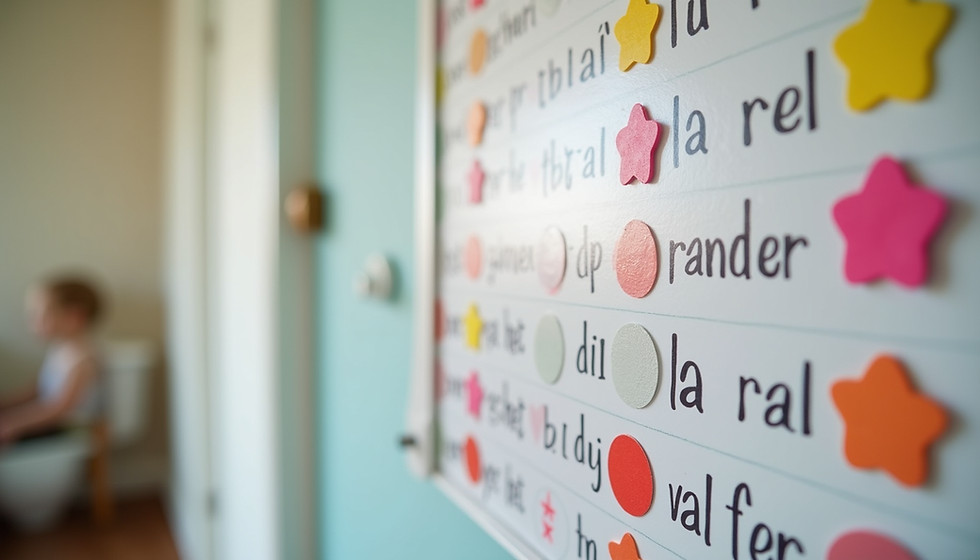
Turn potty time into a game. For example, sing a special potty song or use a sticker chart to celebrate successes.
Celebrate small wins
Every time your child tries or succeeds, offer praise and encouragement. This builds their confidence and motivation.
Be patient and consistent
Play-based potty training is gentle, but it still requires consistency. Keep the routine and stay positive, even if progress is slow.
Involve siblings or friends
Sometimes toddlers learn best by watching others. If you have older siblings or friends who are potty trained, let your toddler observe and imitate.
Remember, the goal is to make potty training a positive experience. When your child feels safe and excited, they’re more likely to succeed quickly.
How Were Babies Potty Trained in the 1800s?
It’s fascinating to look back and see how potty training has evolved. In the 1800s, potty training was very different from today’s playful methods. Parents often used a strict, regimented approach. Babies were trained very early, sometimes as young as a few months old, using a method called “elimination communication.” This involved watching for signs that the baby needed to go and holding them over a pot or outside.
The process was less about play and more about routine and observation. While effective in its own way, it could be stressful for both parent and child. There was little room for the kind of gentle encouragement and fun that play-based methods offer today.
Looking at history helps us appreciate how far we’ve come. Now, we understand that toddlers learn best when they feel safe, supported, and engaged. Play-based potty training reflects this modern understanding perfectly.

Common Challenges and How Play-Based Methods Help Overcome Them
Potty training isn’t always smooth sailing. You might face challenges like resistance, accidents, or fear of the potty. Play-based potty training methods can help you navigate these bumps with ease.
Resistance to sitting on the potty
Instead of forcing your child, use play to make the potty inviting. Let them sit with clothes on, play with toys nearby, or watch a favorite show while sitting.
Fear or anxiety about the potty
Use stories and dolls to show that the potty is safe and normal. Celebrate every brave step, no matter how small.
Frequent accidents
Accidents are part of learning. Turn cleanup into a game or a quick dance party to keep spirits high. Use a sticker chart to track progress and motivate your child.
Lack of interest
Sometimes toddlers just aren’t ready. Play-based methods respect their pace. Keep introducing the potty through play without pressure until they show interest.
By focusing on play, you create a positive cycle of learning and confidence. Your child feels supported, and you feel empowered.
Where to Find Support and Resources
If you want to dive deeper into play-based potty training, there are great resources available. One excellent option is the potty training school - original royal palm beach. They specialize in fast, effective potty training using gentle, play-based methods. Whether you prefer in-person classes or virtual programs, they offer expert guidance tailored to your child’s needs.
You can also find books, videos, and online communities that focus on play-based potty training. Connecting with other parents can provide encouragement and practical tips.
Remember, you’re not alone on this journey. With the right support and approach, potty training can be a joyful milestone.
Embracing the Journey with Patience and Joy
Potty training is a big step for your toddler - and for you. It’s a time of growth, learning, and sometimes frustration. But with play-based potty training methods, you can turn this challenge into a joyful adventure.
Keep in mind:
Every child is unique.
Progress may be quick or slow, and that’s okay.
Celebrate every success, no matter how small.
Use play to keep things light and fun.
Stay patient and consistent.
You’re helping your child gain independence and confidence. That’s something to be proud of. So, take a deep breath, grab some toys, and let the potty training play begin!
You’ve got this.